September 6, 2026
Environment
Geography & Climate
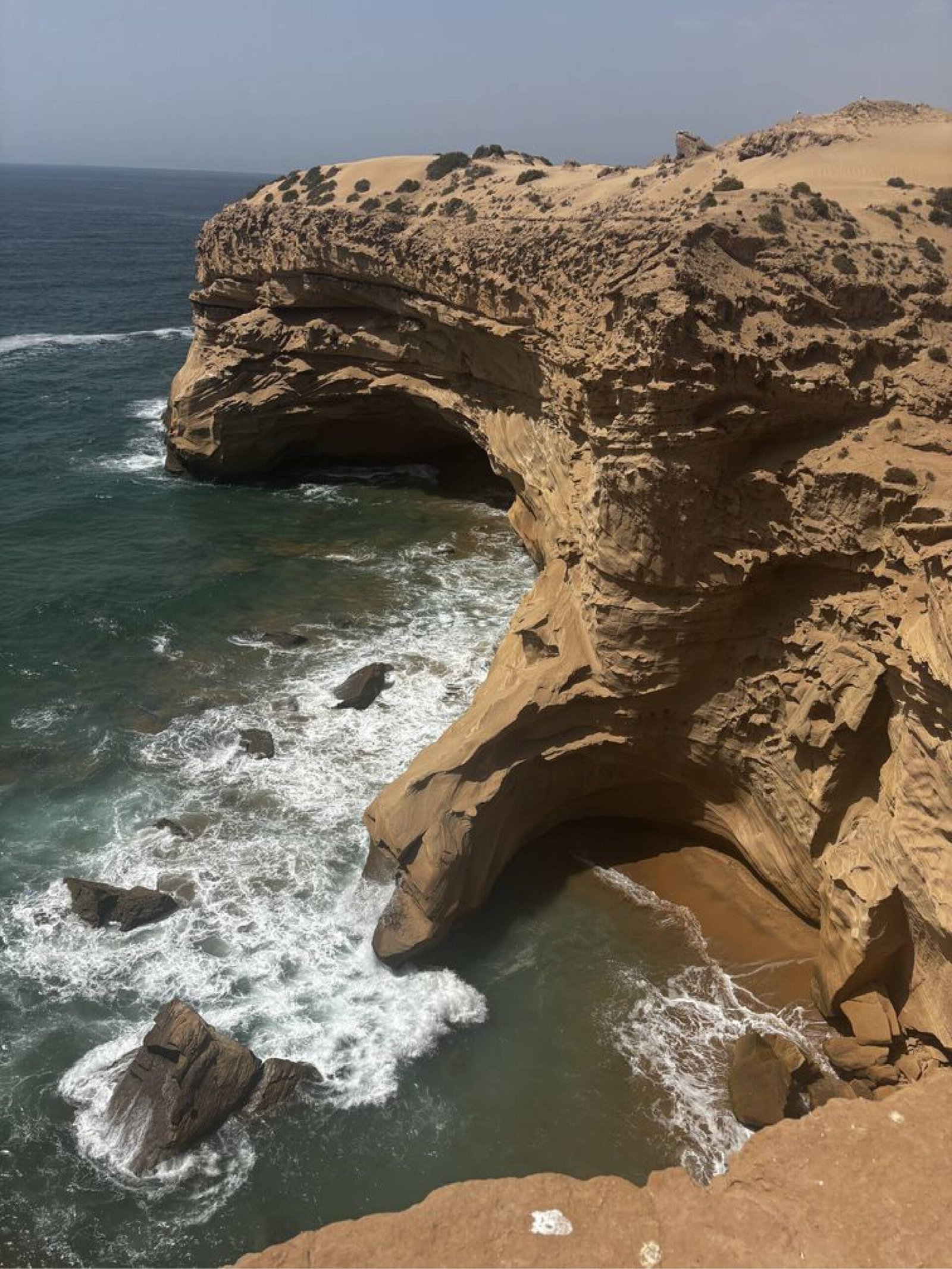
Morocco’s geography is remarkably diverse, contributing significantly to its cultural and economic landscape. Nestled between the Mediterranean Sea to the north and the Atlantic Ocean to the west, the country is also defined by the rugged terrain of the Rif and Atlas Mountains. These mountain ranges create a tapestry of climatic variations that shape Morocco’s unique environment.
The country’s landscapes are nothing short of spectacular. From the sweeping coastlines to the dramatic peaks of the mountains, Morocco offers a stunning array of natural beauty. The Mediterranean climate of the coastal regions gradually gives way to the arid expanse of the Sahara Desert, creating a rich mosaic of environments. Whether you’re captivated by the lush valleys, the rolling dunes, or the historic cities nestled in these varied landscapes, Morocco promises an unforgettable adventure that uniquely blends tradition and nature.
Traditions
History & Culture
Morocco’s history and culture reflect a fascinating mix of different influences. From the ancient Berber civilizations and Roman settlements to the spread of Islam, the country has a rich and diverse past. This heritage can still be seen today in its beautiful architecture, from the historic medinas of Marrakesh to the ancient ruins of Volubilis.
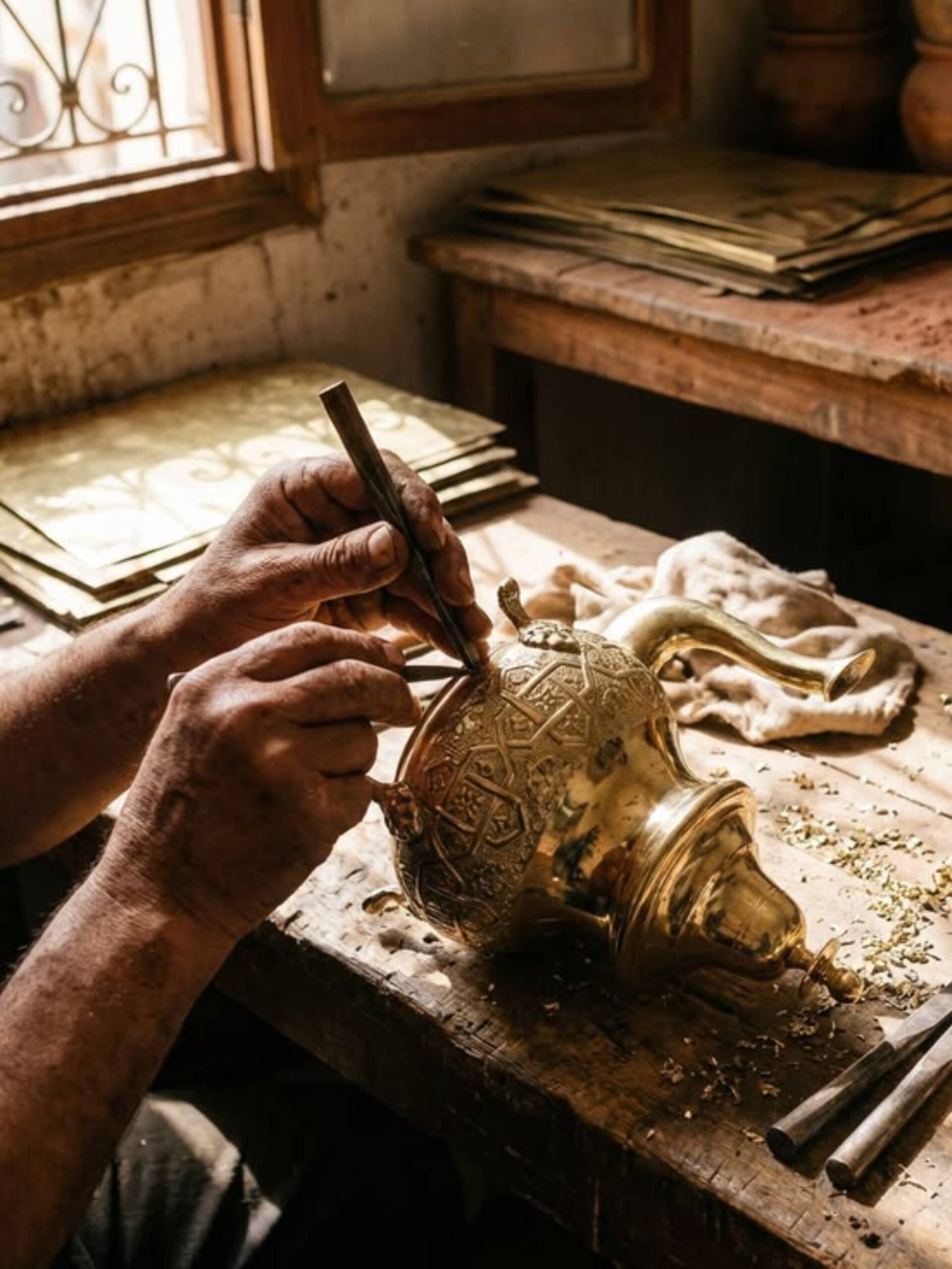
Moroccan culture is shaped by a wide range of traditions, which can be seen in its festivals, crafts, and everyday life. This unique cultural mix continues to evolve, preserving Morocco’s rich history while also embracing modern influences.
Spices, Flavors
Moroccan cuisine
Moroccan culture is a crossroads of diverse civilizations, including Berber, Arab, French, Roman, Andalusian, and Moorish influences. Each has played a role in shaping Morocco’s rich culinary heritage.
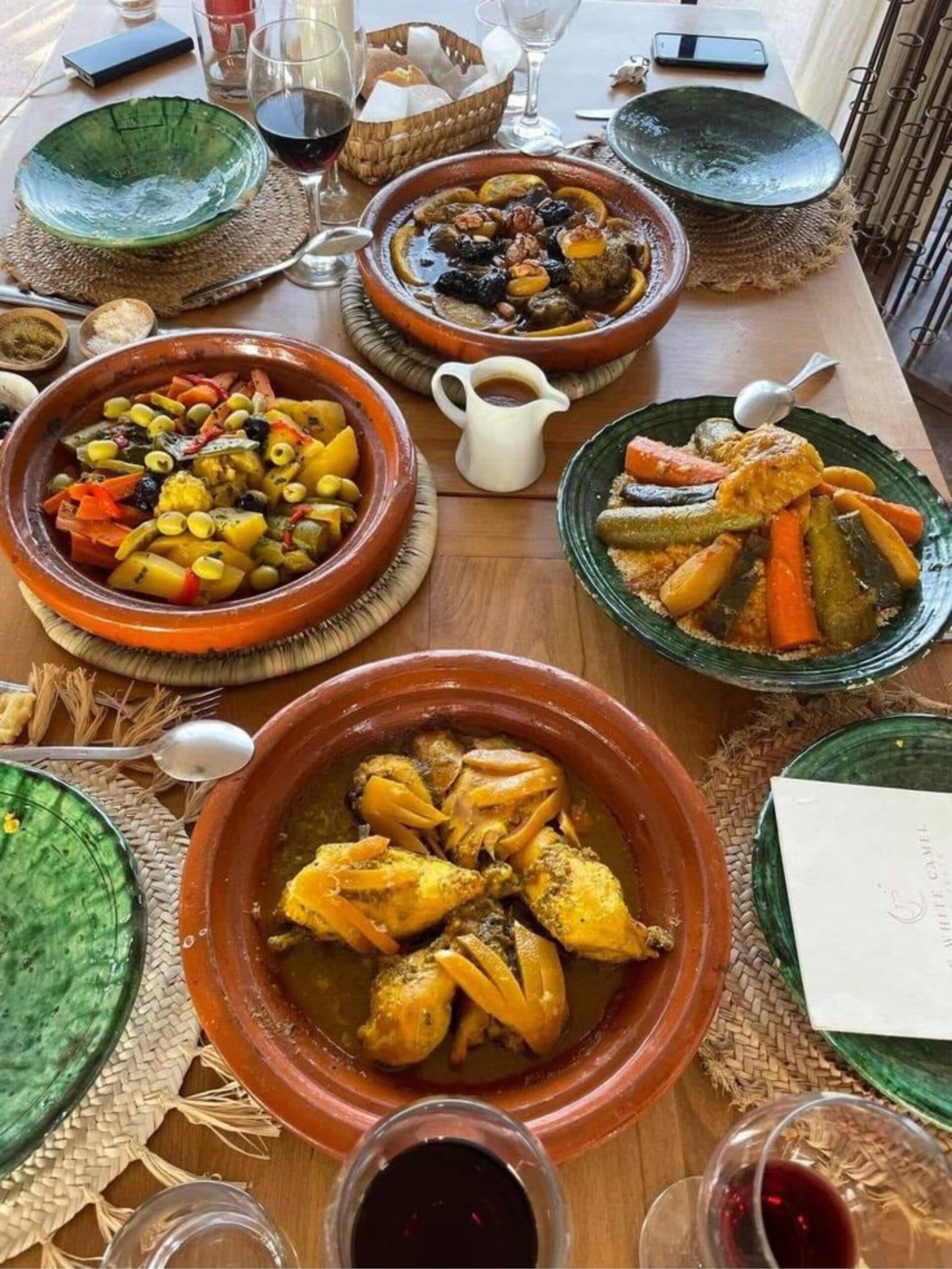
Moroccan cuisine is renowned for its rich blend of spices. Essential ingredients include cumin, cinnamon, coriander, and saffron. These spices and ingredients create the distinctive and flavorful profile of Moroccan dishes, often with a hint of spiciness. In recent years, Moroccan dishes have continued to shine on the global stage, with Moroccan couscous earning a place on UNESCO’s Intangible Cultural Heritage list. Moroccan cuisine has also received significant international recognition, including being named the Best Cuisine in the World in a competition organized by Pubity Cuisine.
Indigenous
The Berber People
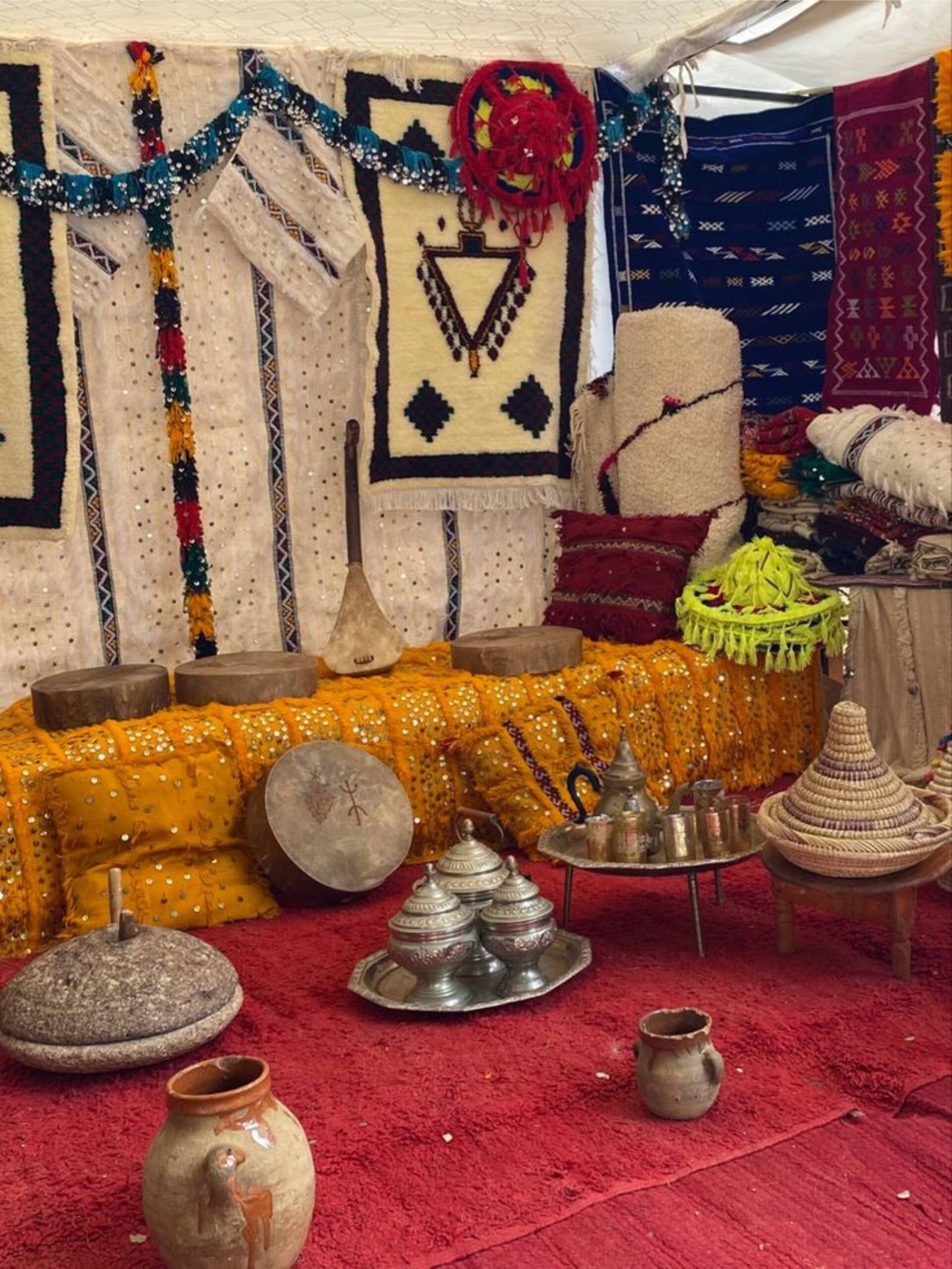
The Berber, or Amazigh, people are an indigenous ethnic group in Morocco with a rich cultural heritage and deep historical roots. Traditionally organized into distinct tribes and communities, such as the Rif Berbers in the northern Rif Mountains, the Chleuh (Souss) Berbers in the southwestern Souss Valley, and the Chaouia Berbers in the central plains, the Amazigh have maintained their unique identity despite numerous invasions and external influences.
They survived several successive invasions, including those by the Romans, Arabs, and later European powers. The Amazigh speak languages such as Tamazight, Tachelhit, and Tarifit. Their traditional architecture, characterized by mudbrick and stone structures such as kasbahs and ksour, reflects their adaptation to their environment and their resilience in the face of outside influences. These kasbahs, with their defensive features and central courtyards, stand as enduring symbols of Amazigh ingenuity and their deep connection to the land.